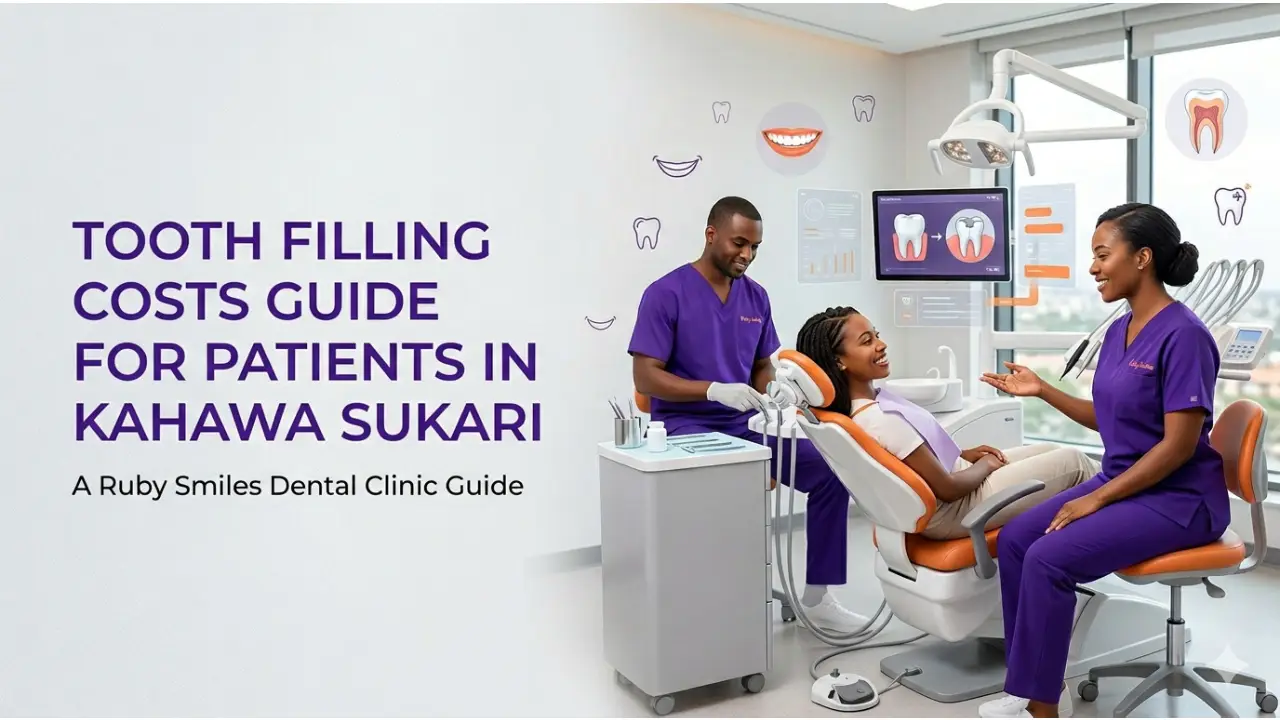
A small change in a tooth can raise a surprisingly big question: does it need restoring? For patients in Kahawa Sukari, fillings are one possible way to repair suitable teeth affected by decay or limited structural damage. A dental filling replaces lost tooth structure and helps restore function, but professional assessment is important before treatment. The dentist needs to determine what has affected the tooth, how much healthy structure remains, and whether a filling or another approach is appropriate. Material choices can also differ according to the tooth, restoration size, bite forces, appearance needs, and clinical conditions.
What Should You Know About Dental Fillings?
A dental filling is a restorative treatment used to rebuild part of a tooth after damaged or affected tooth structure has been assessed and prepared. Fillings may be considered for dental decay, a small fracture, selected areas of tooth wear, or replacement of a defective restoration.
The important point is that a filling is not the automatic answer to every tooth problem. The dentist first determines whether the tooth can be predictably restored with a direct filling and whether another form of care would be more appropriate.
When Might a Tooth Need a Filling?
A dentist may recommend a tooth filling when examination shows that lost or affected tooth structure can appropriately be restored with a filling. The reason can vary from decay to limited structural damage.
When Might a Dental Filling Be Considered?
| Dental Finding | Why a Filling May Be Considered | Why Assessment Still Matters |
|---|---|---|
| Tooth decay | A filling may restore a suitable tooth after affected structure is managed | Extent of decay determines whether a filling is appropriate |
| Small chip or fracture | A direct restoration may repair limited structural damage | Deeper cracks can require another treatment |
| Worn tooth structure | Restorative material may help rebuild selected areas | The cause and amount of wear should be assessed |
| Defective old filling | Repair or replacement may restore the tooth | The dentist must assess the remaining tooth and restoration |
| Sensitivity | A filling may help only if the diagnosed cause requires restoration | Sensitivity can have several causes |
Why Do Symptoms Not Confirm That You Need a Filling?
Sensitivity, discomfort, food trapping, a rough edge, a dark mark, or a small chip can make someone suspect a cavity. However, none of these findings confirms by itself that a filling is needed.
X-rays may be used when clinically appropriate, but they are not automatically required for every filling.
This distinction also prevents a toothache from being treated as a diagnosis. Pain has different possible causes. The appropriate treatment depends on the actual condition found during assessment.
What Happens During a Dental Filling?
During the procedure, local anaesthesia may be used where appropriate to help manage discomfort. The affected tooth is prepared, damaged or decayed structure is managed as clinically indicated, and restorative material is placed. The dentist then shapes the restoration, checks the bite, and finishes or polishes it where appropriate.
The exact process varies according to the tooth, extent of treatment, and restorative material. A detailed step-by-step procedure belongs in the dedicated filling-procedure guide rather than being duplicated here.
What Types of Dental Filling Materials Are Available?
Common direct restorative materials include composite resin and glass ionomer materials. Amalgam has also historically been used in restorative dentistry. Different materials have different handling, functional, and appearance characteristics.
Composite resin is tooth-coloured and can be placed directly in appropriate restorative situations. Its appearance can make it useful where matching the surrounding tooth is important. That does not make composite universally the best choice for every restoration.
Ruby Smiles states on its official tooth-filling information that it uses quality materials that blend naturally with teeth. Its current website also discusses composite, glass ionomer, amalgam, and ceramic or custom inlay options. A patient should still confirm which material is being recommended and currently available for their individual treatment rather than assuming every listed option suits every tooth.
How Does a Dentist Choose a Filling Material?
Material selection is part of treatment planning. A dentist considers what the restoration needs to do, where it will be placed, and the clinical conditions during treatment. Current ADA restorative guidance also recognizes that material choice can depend on clinical circumstances rather than one material being universally preferable.
What Can Affect the Choice of Filling?
| Factor | Why It Matters |
|---|---|
| Tooth location | Front and back teeth experience different functional and cosmetic demands |
| Size of the restoration | Larger areas of lost tooth structure may require a different approach |
| Remaining tooth structure | The amount of healthy tooth remaining affects restorative options |
| Bite forces | Chewing pressure can influence material selection |
| Appearance preferences | Tooth-coloured materials may be preferred in visible areas |
| Moisture control | Some materials have different placement requirements |
| Patient age and dental needs | Treatment should be individualized |
| Cost | Material and treatment choices may affect the final price |
What Is the Difference Between a Filling and Root Canal Treatment?
A filling and root canal treatment address different levels of dental problems. A filling may be suitable when a tooth can be restored without endodontic treatment. Root canal treatment may be considered when the dental pulp is affected and the tooth is suitable for that treatment.
Pain alone cannot tell a patient which treatment is required. Ruby Smiles lists both tooth filling and root canal treatment among its dental services, but they should not be treated as interchangeable procedures.
When Might a Crown Be Considered Instead of a Filling?
A dental crown is another restorative option that may be considered when more extensive tooth structure needs restoration or protection. A filling generally rebuilds a selected part of a suitable tooth, while a crown covers more of the tooth.
There is no rule that every large filling automatically requires a crown.
How Long Can Dental Fillings Last?
There is no guaranteed lifespan for a dental filling. Longevity varies with the restorative material, size of the filling, tooth location, chewing forces, remaining tooth structure, oral hygiene, diet, and habits such as grinding or clenching.
Research reviewed by the American Dental Association also shows that restoration survival varies according to factors including material, tooth type, and the number of surfaces restored. That is why a permanent filling should not be interpreted as a restoration that lasts forever.
Can a Filling Break, Wear Out or Fall Out?
Yes, restorations can change over time. A filling may wear, chip, fracture, loosen, or develop a problem around its margins.
If a filling feels different, becomes uncomfortable, appears damaged, or is lost, arrange a professional assessment. Depending on the findings, a restoration may be monitored, repaired, or replaced. Trying to reshape or repair it at home can damage the tooth or surrounding tissues.
Can Tooth Decay Develop Around an Existing Filling?
Yes. The natural tooth structure around an existing restoration can still develop decay. The filling itself does not “get a cavity.” Instead, new decay can affect tooth structure next to or beneath the margins of a restoration.
Good plaque control remains important after a tooth has been filled. Dental reviews can also help identify changes around restorations that may not be obvious to the patient.
How Should You Care for a Filled Tooth?
Brush with fluoride toothpaste and clean between the teeth using an appropriate interdental method. Follow any individualized oral-hygiene advice from your dental professional and attend reviews based on your oral-health needs.
Avoid using teeth as tools to open or hold objects. After a new filling, follow the specific instructions provided by the clinic because advice about eating can differ depending on the material used, whether local anaesthesia was given, and the individual treatment.
Some patients notice temporary sensitivity after a filling. There is no single recovery period that applies to everyone. Persistent, worsening, or significant discomfort should be assessed professionally. If the bite feels unusually high or uncomfortable after treatment, contact the dental clinic rather than trying to adjust the restoration yourself.
Do Old Fillings Need to Be Replaced Automatically?
No. An old filling does not automatically need replacement simply because of its age.
A dentist can assess the restoration’s integrity, margins, function, surrounding tooth structure, symptoms, and any signs of decay. A sound restoration may not require replacement simply because it has been present for a long time.
Where a problem is identified, the appropriate response can also differ. Some restorations may be monitored, some may be suitable for repair, and others may need replacement. The decision should be based on professional findings rather than the calendar alone.
What Should Patients Near Kahawa Sukari Ask Before Treatment?
Patients from Kahawa Sukari can ask what the examination found, how much tooth structure is affected, why a particular restorative material is suitable, and what alternatives are relevant.
It is also reasonable to ask about the current price and what that price covers. Ruby Smiles currently publishes a permanent tooth filling price of KSh 5,000 per tooth. The per-tooth basis matters. It should not be interpreted as a package for several teeth or as automatically including consultation, X-rays, medication, follow-up, or other treatment unless the clinic confirms those items.
Ruby Smiles Dental Clinic lists Tooth Filling among its services and gives its location as Unicity Mall (China Square), Along Thika Road. The clinic’s official pages describe serving patients from Kahawa Sukari, but they do not establish a Ruby Smiles branch inside Kahawa Sukari.
Frequently Asked Questions About Dental Fillings
What are dental fillings?
Dental fillings are restorative treatments used to rebuild suitable teeth that have lost structure because of decay or limited damage. The dentist assesses the tooth before deciding whether a filling is appropriate.
When do you need a filling?
A filling may be recommended when a dentist identifies decay or structural damage that can appropriately be restored with a direct restoration. Symptoms alone cannot confirm that you need one.
Does getting a filling hurt?
Local anaesthesia may be used where appropriate to manage discomfort during treatment. Individual experiences vary, and some patients may notice temporary sensitivity afterward.
What types of dental fillings are available?
Common restorative materials include composite resin and glass ionomer, while other materials may be used in selected situations. Material choice depends on clinical needs rather than one option being best for everyone.
How long do dental fillings last?
There is no guaranteed lifespan. Longevity depends on factors including material, restoration size, tooth location, bite forces, oral hygiene, and the condition of the remaining tooth.
Can decay develop around a filling?
Yes. Natural tooth structure around a restoration can develop new decay. Daily plaque control and appropriate dental reviews remain important after treatment.
Do old fillings need to be replaced?
Not automatically. A dentist should assess the filling, its margins, surrounding tooth, function, and any signs of damage or decay before recommending repair or replacement.
Book Your Tooth Filling Consultation
Deciding whether a tooth needs a filling starts with understanding its actual condition. For patients from Kahawa Sukari, a professional assessment can identify whether decay or structural damage is present, how much of the tooth is affected, and whether a filling is an appropriate restorative option.
Ruby Smiles Dental Clinic is located at Unicity Mall (China Square), Along Thika Road. During an assessment, you can discuss suitable restorative materials, whether another treatment may be more appropriate, the current treatment cost, expected aftercare, and any follow-up needs.
Book your dental filling consultation today with Ruby Smiles Dental Clinic to have the affected tooth professionally assessed and discuss the restorative treatment that best suits your individual dental needs.