Seeing a suspicious spot on a tooth does not automatically mean drilling is the next step. When people ask, “can a cavity heal,” the answer depends on the stage of tooth decay. Early demineralisation can sometimes be arrested or improved through remineralisation while the enamel surface is still intact. Fluoride, saliva, plaque control and dietary habits can support this process. Established cavities are different because tooth structure has already broken down, and lost enamel or dentine does not simply grow back. A filling or another restoration may then be needed. Professional assessment is the safest way to determine which situation applies.
Can a Cavity Heal Without a Filling?
Very early tooth decay may sometimes be managed without a filling if the tooth has lost minerals but has not developed structural cavitation. At this stage, preventive care can shift the balance toward remineralisation and help arrest the lesion.
Once decay has produced an actual hole or structural breakdown, however, remineralisation cannot recreate the missing anatomy. The damaged area may need restorative treatment depending on its depth, activity, location, cleansability and the amount of healthy tooth structure remaining.
This is why “healing a cavity” can be misleading. Early mineral loss and an established cavity are not the same clinical situation. A dentist needs to determine which stage is present before recommending treatment.
What Is Early Enamel Demineralisation?
Demineralisation occurs when acids produced within dental plaque remove minerals from enamel faster than they are replaced. Repeated exposure to sugars and other fermentable carbohydrates can contribute to these acid attacks.
During an early lesion, the enamel surface may remain physically intact even though mineral has been lost underneath. A white area can sometimes be an early sign, but white spots also have other causes. Colour alone cannot confirm tooth decay.
What Does Remineralisation Mean?
Remineralisation is the process of returning minerals to weakened enamel. Saliva naturally supplies minerals such as calcium and phosphate, while fluoride helps make enamel more resistant to acid and supports replacement of minerals lost during early decay.
Plaque control also matters. Reducing the bacterial biofilm around an early lesion can reduce repeated acid production. How frequently teeth are exposed to sugary or starchy foods and drinks matters too, because frequent exposure gives enamel less opportunity to recover between acid challenges.
Saliva provides another layer of protection by helping neutralise acids and supplying minerals. Persistent dry mouth can increase cavity risk, but its cause requires appropriate professional assessment.
What Is an Established Dental Cavity?
An established cavity involves physical breakdown or loss of tooth structure. Once enamel or dentine has been destroyed, the body cannot naturally rebuild the tooth to its original shape. NIDCR distinguishes this stage from early decay, explaining that early mineral loss may be reversed, while breakdown of enamel produces permanent damage that requires dental repair.
That distinction changes treatment decisions. Remineralisation can strengthen suitable remaining enamel, but it cannot recreate tooth structure that has already physically broken down.
Early Demineralisation vs an Established Cavity
| Feature | Early Demineralisation | Established Cavity |
|---|---|---|
| Tooth surface | May remain structurally intact | Tooth structure has broken down |
| Mineral loss | Present | Present with structural damage |
| Remineralisation | May be possible in suitable early lesions | Cannot rebuild missing tooth structure |
| Possible management | Fluoride, plaque control, dietary changes and monitoring | May require a filling or another restoration |
| Symptoms | Often no symptoms | May also be painless, especially initially |
| Assessment | Needed to confirm lesion stage | Needed to determine appropriate treatment |
Can Fluoride Help Early Tooth Decay?
Fluoride has an established role in cavity prevention and early caries management. It helps replace minerals in weakened enamel and makes the tooth surface more resistant to future acid attacks.
Regular brushing with fluoride toothpaste is one practical source. The American Dental Association notes that fluoride toothpaste can remineralise enamel during the early stages of tooth decay. Depending on a person’s cavity risk and clinical findings, a dentist may also recommend professional fluoride treatment or another preventive approach.
Fluoride supports early remineralisation but cannot rebuild the original shape of a tooth after structural tissue has been lost.
Can Brushing, Diet and Saliva Help Remineralisation?
Good home care supports the conditions needed to control early decay. Effective brushing with fluoride toothpaste removes plaque while regularly exposing enamel to fluoride. Cleaning between teeth can also help control plaque in areas a toothbrush does not reach well.
Diet matters mainly because of frequency. Repeated sugary or fermentable-carbohydrate exposures allow plaque bacteria to produce acid repeatedly. Reducing frequent exposure gives saliva and fluoride more opportunity to support mineral recovery. This does not require extreme or restrictive eating.
Saliva helps buffer acids and supplies minerals involved in natural remineralisation. Home care can therefore support suitable early lesions, but brushing, food choices and saliva cannot rebuild a physical hole in a tooth.
Does Every Cavity Need a Filling?
Not every early carious lesion needs a filling. A non-cavitated lesion may sometimes be managed preventively and monitored if a dentist considers that approach appropriate. The broader modern approach to caries management recognizes a continuum from early mineral changes to structural destruction rather than treating every lesion identically.
An established cavity may require restoration depending on depth, activity, location and remaining tooth structure. A filling repairs structural loss and restores function, but the decision should be based on clinical findings rather than a single symptom.
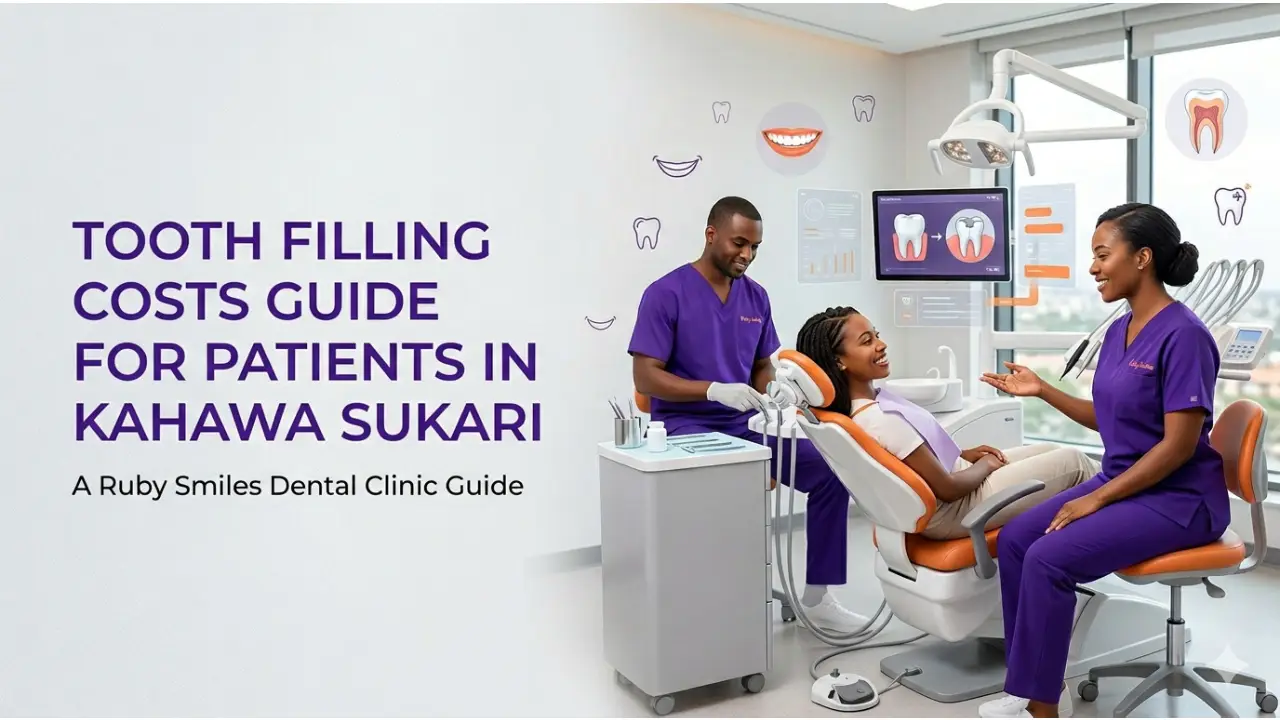
Ruby Smiles Dental Clinic currently lists tooth filling among its services. Current clinic content lists permanent tooth fillings at KSh 5,000 per tooth. The appropriate treatment and individual cost should still be confirmed following assessment because treatment depends on the condition of the tooth.
Advanced decay affecting the pulp can sometimes require root canal treatment, but this does not happen to every cavity.
What Helps a Dentist Decide Whether a Filling Is Needed?
| Factor | Why It Matters |
|---|---|
| Surface integrity | Helps distinguish mineral loss from structural cavitation |
| Lesion depth | Deeper decay can change treatment needs |
| Lesion activity | Active and arrested lesions may be managed differently |
| Tooth location | Some surfaces are harder to clean and monitor |
| Symptoms | Useful clinical information but not enough to determine stage |
| Caries risk | Previous and current risk influences management |
| Cleansability | Plaque control affects whether preventive management is realistic |
| Dental X-rays | May help assess hidden or deeper decay when appropriate |
| Remaining tooth structure | Influences whether restoration may be needed |
X-rays may help assess hidden or deeper decay when clinically appropriate, but they are not required for every suspected cavity. NIDCR notes that dentists may use X-rays as part of diagnosing decay, particularly when clinical assessment alone does not reveal its full extent.
Can a Cavity Stop Getting Worse Without Disappearing?
Yes, some carious lesions can become inactive or arrested under suitable conditions and professional management. Arrest means the disease process is no longer progressing at the time it is assessed. It does not mean missing tooth structure has regrown.
This distinction is especially important when looking at dark areas. Brown or black colour does not prove a lesion has stopped progressing. Likewise, a white area does not automatically mean active early decay.
Can You Tell From Pain or Tooth Colour Whether a Cavity Has Healed?
Pain is not a reliable way to tell whether a cavity can heal or whether a filling is required. Early decay commonly produces no symptoms, and some established cavities may remain painless for a period. NIDCR notes that early tooth decay usually has no symptoms, while pain and sensitivity can develop as decay advances.
Pain disappearing does not prove that decay has healed.
Colour is also insufficient for diagnosis. White, brown or black changes may be associated with decay, but appearance alone does not establish whether a lesion is active, arrested or structurally cavitated.
How Can You Respond to Early Tooth Decay or a Cavity?
1. Is the Tooth Surface Still Intact?
A dentist first needs to distinguish mineral loss beneath an intact surface from actual structural breakdown. This is a major factor in whether non-operative care may be realistic.
2. How Deep Is the Lesion?
Depth influences treatment. A lesion limited to an early stage may be approached differently from decay that has extended deeper into the tooth.
3. Is the Decay Active?
The dentist considers whether the lesion appears to be progressing or has become inactive. Activity cannot be judged reliably from colour alone.
4. Can the Area Be Kept Clean?
Cleansability can affect whether preventive management is realistic.
5. Are There Symptoms or Other Dental Problems?
Symptoms provide context but are not diagnostic by themselves.
6. Is a Filling or Another Restoration Needed?
Structural damage and remaining tooth tissue help determine whether restoration is needed.
7. What Prevention Plan Will Reduce Future Risk?
Prevention may include fluoride toothpaste, plaque control, interdental cleaning where appropriate, reducing frequent sugar exposure and risk-based dental reviews. These measures remain important whether an early lesion is being monitored or a damaged tooth has already been restored.
Do not attempt DIY cavity repair. Professional assessment is needed.
Why Professional Monitoring Matters
A decision to manage early decay without a filling is not a decision to ignore it. The dentist may need to review the lesion over time to see whether preventive measures are controlling its activity. This is especially useful when a suspicious area is difficult to assess from appearance alone or lies between teeth.
Monitoring also helps keep treatment proportional to the problem. When an intact early lesion is responding well, preventive management may continue. When there is evidence of progression or structural breakdown, the treatment plan can change. This approach avoids treating every early mineral change as though it were already a physical hole, while also avoiding unnecessary delay when restoration is clinically indicated.
Professional review is particularly valuable because tooth decay can progress without obvious pain. Waiting for a toothache is therefore not a dependable way to decide when treatment is necessary.
Frequently Asked Questions About Whether Cavities Can Heal
Can a cavity heal without a filling?
Early non-cavitated tooth decay may sometimes be arrested or remineralised without a filling. Once tooth structure has physically broken down, remineralisation cannot restore the missing anatomy.
Can early tooth decay reverse?
Early mineral loss can sometimes be reversed or arrested when the enamel surface remains intact. Fluoride, saliva, plaque control and reduced frequency of sugar exposure can support this process.
Can a hole in a tooth heal naturally?
No. A physical hole represents lost tooth structure, which does not naturally grow back to its original shape. A dentist can determine the appropriate restorative treatment.
Can brushing heal a cavity?
Brushing with fluoride toothpaste can support plaque control and remineralisation of suitable early lesions. It cannot rebuild enamel or dentine that has already been physically lost.
Can fluoride heal a cavity?
Fluoride can help remineralise early weakened enamel and make it more resistant to acid. It cannot fill or regenerate an established physical cavity.
Does every cavity need a filling?
Not every early carious lesion requires a filling. Treatment depends on whether cavitation is present, lesion activity, depth, location, cleansability, caries risk and professional findings.
Can a cavity stop getting worse?
A lesion can sometimes become arrested, meaning it is no longer actively progressing when assessed. Any structural damage that already occurred remains, so professional evaluation is still important.
Book Your Cavity Assessment
The difference between early mineral loss and an established cavity is difficult to judge from a mirror alone. Ruby Smiles Dental Clinic is located at Unicity Mall, China Square, along Thika Road, Nairobi. The clinic currently lists tooth filling and dental cleaning among its dental services.
A cavity assessment can help evaluate surface integrity, decay depth and activity, tooth location, symptoms, plaque control and your overall caries risk. Your dentist can also decide whether an X-ray is appropriate and whether preventive management, monitoring, a filling or another restoration best fits the clinical findings. Current individualized treatment cost can then be confirmed based on the care recommended.
Book your cavity assessment today with Ruby Smiles Dental Clinic to determine whether the tooth has early demineralisation that may respond to preventive care or an established cavity that may require restoration.