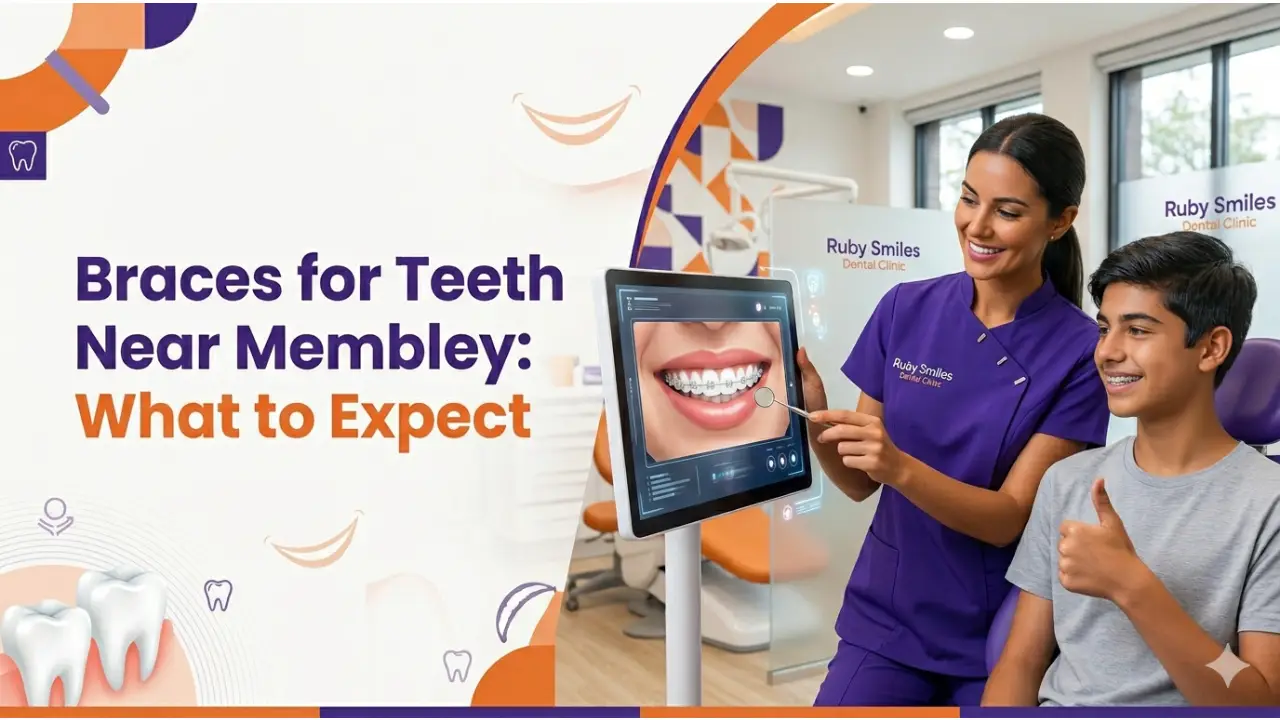
If you’re considering braces for teeth, it’s natural to have questions about the process, timeline, and what happens at each stage of treatment. Whether you’re seeking braces for yourself or your child, understanding the journey ahead can help you feel more confident and prepared.
Braces do much more than improve appearance. They help correct bite issues, straighten teeth, improve oral hygiene, and contribute to long-term dental health.
Before starting treatment, most patients want to know:
- How braces work
- How long treatment takes
- What appointments are involved
- How often reviews are needed
- What happens after braces are removed
The good news is that modern orthodontic treatment follows a structured process designed to deliver predictable and lasting results.
Quick Answer: What Should You Expect When Getting Braces?
Braces treatment typically follows six key stages:
- Initial consultation
- Diagnosis and treatment planning
- Braces installation
- Monthly wire changes and reviews
- Braces removal
- Retention with custom retainers
Most patients complete treatment within one to two years, depending on the complexity of their case.
Throughout the process, regular reviews help ensure teeth move safely and effectively into their ideal positions.
What Are Braces?
Braces are orthodontic appliances designed to gradually move teeth into proper alignment.
They can help correct:
- Crooked teeth
- Crowded teeth
- Gaps between teeth
- Overbites
- Underbites
- Crossbites
- Jaw alignment concerns
While many people seek braces to improve the appearance of their smile, orthodontic treatment also supports better oral health and function.
Why More Patients Are Choosing Braces
Orthodontic treatment is becoming increasingly popular among both teenagers and adults.
Some of the key benefits include:
Improved Confidence
A straighter smile often boosts self-esteem and confidence.
Better Oral Hygiene
Aligned teeth are easier to brush and floss effectively.
Improved Bite Function
Correctly aligned teeth help distribute chewing forces more evenly.
Reduced Risk of Future Problems
Braces can help prevent excessive tooth wear and certain bite-related issues.
For many patients, braces are an investment in both appearance and long-term dental health.
Step 01: Consultation
Every braces journey begins with a professional consultation.
During this appointment, the orthodontist evaluates your teeth, bite, and overall oral health.
The consultation typically includes:
- Discussion of your concerns
- Smile assessment
- Bite evaluation
- Initial orthodontic recommendations
This appointment helps determine whether braces are the right solution and what treatment options may be most suitable.
Why the Consultation Matters
Many orthodontic issues are not immediately visible.
A professional evaluation helps identify:
- Hidden bite problems
- Jaw alignment concerns
- Crowding issues
- Long-term treatment needs
This is also an opportunity to ask questions and understand the expected treatment process.
Step 02: Diagnosis & Treatment Planning
Once braces are recommended, a more detailed assessment is performed.
This stage provides the foundation for your personalized treatment plan.
Full Mouth Examination
The orthodontist evaluates:
- Teeth alignment
- Jaw position
- Oral health status
- Existing dental conditions
Study Models
Models of your teeth help create an accurate representation of your bite and alignment.
X-Rays
Diagnostic images help reveal information that cannot be seen during a visual examination.
These may show:
- Tooth positions
- Root structure
- Jaw relationships
- Developing teeth
Personalized Treatment Plan
Using the information collected, the orthodontist creates a treatment strategy tailored to your specific needs.
This plan guides every stage of your orthodontic journey.
Step 03: Braces Installation
Once planning is complete, the braces are fitted.
This appointment involves:
- Cleaning the teeth
- Attaching brackets
- Positioning wires
- Providing oral care instructions
Many patients are surprised to learn that braces installation is generally comfortable and straightforward.
What Happens After Installation?
You may experience mild pressure or discomfort for a few days as your teeth begin responding to treatment.
This is a normal part of the process.
Patients also receive guidance on:
- Brushing techniques
- Flossing with braces
- Foods to avoid
- Managing minor discomfort
Following these instructions helps protect both your braces and your oral health.
Step 04: Monthly Wire Change & Review
One of the most important stages of treatment is the monthly review process.
Orthodontic treatment is not simply about fitting braces and waiting.
Regular monitoring ensures your teeth continue moving according to plan.
During review appointments, the orthodontist may:
- Change wires
- Adjust braces
- Evaluate progress
- Monitor oral health
- Address patient concerns
These appointments help keep treatment on track.
Why Monthly Reviews Are Important
Regular reviews allow the dental team to compare progress against the original treatment goals.
This helps ensure:
- Predictable tooth movement
- Healthy gums and teeth
- Timely adjustments
- Successful treatment outcomes
Missing appointments can delay treatment and affect results.
Step 05: Braces Removal
After the desired tooth alignment has been achieved, the braces are removed.
For many patients, this is one of the most exciting moments in the entire process.
The appointment involves:
- Careful removal of brackets
- Removal of adhesive materials
- Cleaning and polishing the teeth
- Final assessment
Patients can immediately enjoy the appearance of their newly aligned smile.
What Happens After Braces Come Off?
While braces have completed their job, treatment isn’t quite finished.
The next stage is essential for protecting the results achieved.
Step 06: Retention
Retention is the final and often overlooked stage of orthodontic treatment.
After braces are removed, teeth naturally have a tendency to shift.
Custom retainers help maintain the new alignment.
Why Retainers Are Important
Retainers help:
- Preserve treatment results
- Prevent teeth from shifting
- Protect your investment
- Maintain smile alignment
Custom Retainers
Each retainer is designed specifically for the patient’s teeth.
Following retainer instructions is one of the most important factors in maintaining long-term results.
How Long Does the Entire Braces Process Take?
Most patients complete treatment within:
- 12–18 months for mild cases
- 18–24 months for moderate cases
- Longer for complex orthodontic issues
Treatment time depends on:
- Severity of misalignment
- Patient age
- Treatment goals
- Compliance with appointments
- Oral hygiene practices
Your orthodontist can provide a personalized estimate during your consultation.
Comparison Table: The Braces Journey
| Treatment Stage | Purpose |
|---|---|
| Consultation | Initial assessment |
| Diagnosis & Planning | Detailed treatment roadmap |
| Braces Installation | Begin tooth movement |
| Monthly Reviews | Monitor progress |
| Braces Removal | Complete alignment |
| Retention | Maintain results |
Each stage plays an important role in achieving a healthy and lasting smile.
Why Patients Choose Ruby Smiles Dental Clinic
Patients seeking braces for teeth often choose Ruby Smiles Dental Clinic because of its structured and patient-focused approach to orthodontic care.
Experienced Orthodontic Team
Every treatment plan is tailored to the patient’s unique needs.
Personalized Treatment Planning
Comprehensive assessments help create predictable treatment outcomes.
Monthly Monitoring
Regular reviews ensure treatment remains on track.
Family-Friendly Environment
Both children and adults receive care in a welcoming setting.
Modern Orthodontic Solutions
The clinic offers braces options designed to deliver effective and lasting results.
Conveniently located at Unicity Mall, the clinic serves patients from Membley, Kenyatta Road, Ruiru, Tatu City, Kahawa Sukari, and surrounding communities.
Frequently Asked Questions
Do braces hurt?
Most patients experience mild pressure after adjustments, but this typically subsides within a few days.
How often will I need appointments?
Most patients attend monthly review appointments throughout treatment.
How long do braces take?
Most cases are completed within one to two years.
What happens if I miss a review appointment?
Missing appointments can delay treatment progress.
Why do I need retainers after braces?
Retainers help prevent teeth from shifting after braces are removed.
Can adults get braces?
Yes. Orthodontic treatment is effective for both adults and children.
What This Means for Your Smile
Understanding the braces process helps patients feel more prepared and confident about treatment.
Key Takeaways
- Braces treatment follows six structured stages.
- Monthly reviews are essential for successful outcomes.
- Retainers help maintain long-term results.
- Most treatments take between one and two years.
- Orthodontic care improves both appearance and oral health.
What To Do Next
If you’re considering braces for teeth, the best place to start is with a professional orthodontic consultation.
A dentist can assess your smile, discuss treatment options, and create a personalized plan based on your goals.
You can book your braces consultation today and begin your journey toward a straighter, healthier smile.
Your Smile Transformation Starts Here
Every great smile begins with a plan. From consultation and treatment planning to braces installation and retention, each step plays an important role in achieving lasting results.
Ready to transform your smile? Schedule your appointment today and discover what braces can do for your confidence and oral health.