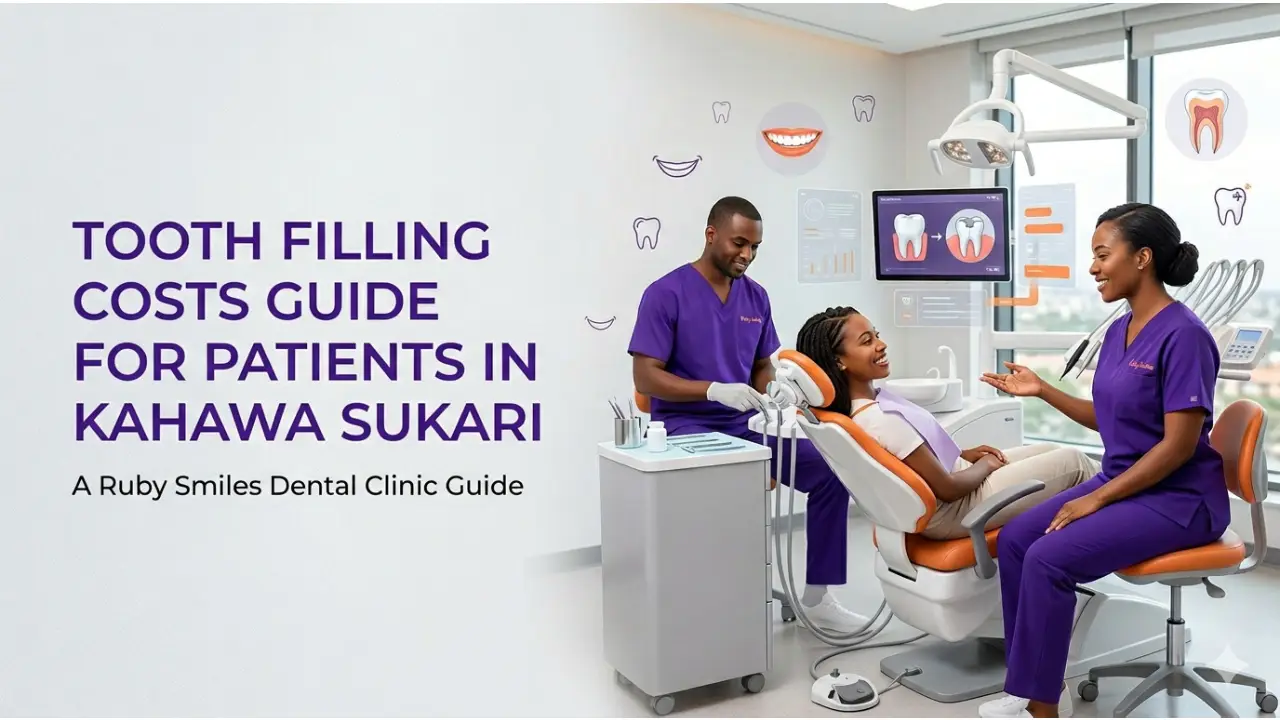
If you have tooth pain, sensitivity, or a small cavity, getting treatment early can help prevent further damage. Many people searching for tooth filling near Tatu City want to know where they can receive professional treatment, what happens during the procedure, and how to choose the right dental clinic.
A tooth filling is one of the most common ways to repair a tooth damaged by decay or minor fractures. The treatment restores the tooth’s shape and function while helping to prevent the cavity from becoming larger.
If you live in or around Tatu City, understanding when a filling is needed and what to expect during treatment can help you make informed decisions about your oral health.
Quick Answer
Looking for tooth filling near Tatu City?
A professional dental examination is the best way to determine whether your tooth needs a filling or another treatment. The dentist will assess the condition of the tooth, explain the available treatment options, and recommend the most appropriate solution based on your oral health.
What Is a Tooth Filling?
A tooth filling is a dental restoration used to repair a tooth that has been damaged by decay or a small fracture.
During treatment, the damaged portion of the tooth is removed and replaced with a suitable filling material. This restores the tooth’s normal shape and allows you to chew comfortably while helping to prevent further damage.
Although fillings are commonly used for cavities, they may also be recommended to repair worn or chipped teeth in appropriate cases.
Signs You May Need a Tooth Filling
Many cavities begin without obvious symptoms, which is why regular dental check-ups are important.
As tooth decay progresses, you may notice:
- Tooth sensitivity to hot, cold, or sweet foods.
- Pain when chewing.
- A visible hole in the tooth.
- Dark spots on the tooth surface.
- Food frequently getting trapped.
- Mild toothache that comes and goes.
- Rough or chipped edges on a tooth.
These symptoms do not always mean you need a filling, but they should be assessed by a dentist as soon as possible.
What Happens During a Tooth Filling Appointment?
Understanding the treatment process helps reduce uncertainty before your appointment.
Dental Examination
Your dentist first examines the affected tooth and may recommend dental X-rays if needed to determine the extent of the damage.
This assessment helps confirm whether a filling is the most suitable treatment or whether another procedure would better protect the tooth.
Removing the Damaged Tooth Structure
The decayed or damaged portion of the tooth is carefully removed while preserving as much healthy tooth structure as possible.
The area is then cleaned thoroughly before the filling material is placed.
Placing the Filling
The selected filling material is shaped to restore the natural form of the tooth.
Your dentist checks your bite to ensure the restoration feels comfortable before completing the procedure.
Final Adjustments
Any necessary adjustments are made so the filling blends naturally with your bite.
Before you leave, your dentist explains how to care for the restored tooth and what to expect after treatment.
Types of Tooth Filling Materials
Different filling materials are available, and the most suitable choice depends on several clinical factors.
Tooth-Coloured Composite Fillings
Composite fillings are designed to match the natural colour of your teeth, making them a popular choice for visible areas of the mouth.
They bond directly to the tooth and provide an aesthetic restoration for many patients.
Amalgam Fillings
Amalgam fillings have traditionally been used for back teeth because of their durability.
Whether this material is suitable depends on your individual treatment needs and your dentist’s clinical recommendation.
Other Restorative Materials
In some situations, other restorative materials may be recommended based on the size and location of the damaged tooth.
Your dentist will explain the advantages and limitations of each option before treatment begins.
How Does a Dentist Choose the Right Filling?
Not every cavity is treated in the same way.
Several factors influence the choice of filling material, including:
- The size of the cavity.
- The location of the tooth.
- Biting forces.
- Your oral hygiene.
- Cosmetic expectations.
- The condition of the remaining tooth structure.
A professional assessment allows your dentist to recommend the restoration that best suits your individual needs rather than using the same material for every patient.
Tooth Filling or Root Canal?
Many patients worry that every painful tooth requires a root canal.
In reality, this depends on how far the decay has progressed.
| Tooth Filling | Root Canal Treatment |
|---|---|
| Repairs minor to moderate decay | Treats infection inside the tooth |
| Preserves healthy tooth structure | Removes infected pulp tissue |
| Usually completed before extensive damage develops | Recommended when the pulp has been affected |
| Suitable when enough healthy tooth remains | Often followed by a dental crown |
Only a dental examination can determine which treatment is appropriate.
Benefits of Treating Tooth Decay Early
Early treatment helps prevent small dental problems from becoming larger ones.
Benefits of timely treatment include:
- Preserving more natural tooth structure.
- Restoring comfortable chewing.
- Preventing further decay.
- Reducing the likelihood of more complex treatment.
- Improving oral health.
- Restoring the natural appearance of the tooth.
Many patients delay treatment because mild symptoms seem manageable. However, cavities generally do not heal on their own, and untreated decay can continue to progress.
How to Care for a Tooth After a Filling
A tooth filling restores the tooth, but good oral hygiene is still essential to protect it and prevent new cavities from developing.
Follow these simple tips after treatment:
- Brush your teeth twice a day using fluoride toothpaste.
- Clean between your teeth daily with dental floss or interdental brushes.
- Limit sugary snacks and drinks between meals.
- Attend regular dental check-ups.
- Avoid biting hard objects such as ice, pens, or bottle caps.
- Contact your dentist if the filling feels too high or uncomfortable after treatment.
Looking after your oral health helps protect both the treated tooth and the rest of your smile.
Can a Tooth Filling Be Repaired or Replaced?
Yes. Like other dental restorations, fillings can wear down, crack, or become loose over time.
Your dentist may recommend repairing or replacing a filling if it:
- Has visible cracks.
- Has fallen out.
- No longer seals the tooth properly.
- Has recurrent decay around it.
- Causes pain or sensitivity.
Replacing a damaged filling promptly helps prevent bacteria from reaching the deeper parts of the tooth.
When Might a Filling Not Be Enough?
A filling works well when enough healthy tooth structure remains.
However, if decay has spread deeper into the tooth or a large portion of the tooth has been lost, another treatment may be more appropriate.
Depending on your examination, your dentist may recommend:
- Root canal treatment if the dental pulp is infected.
- A dental crown if the tooth requires additional strength.
- Tooth extraction when the tooth cannot be restored.
- Another suitable restorative treatment based on your oral health.
This is why a dental examination is essential before deciding on treatment.
How to Choose Tooth Filling Services Near Tatu City
If you’re comparing dental clinics, it’s worth looking beyond convenience alone.
Consider the following:
Comprehensive Examination
A quality dental appointment should begin with a thorough examination rather than immediately recommending treatment.
Understanding the cause of the problem helps ensure you receive the most appropriate care.
Clear Treatment Explanation
Your dentist should explain:
- What has caused the problem.
- Why a filling is recommended.
- Whether other treatment options exist.
- How to care for the tooth afterwards.
Clear communication helps you make informed decisions.
Personalized Treatment
No two patients have identical dental needs.
The best treatment plan is based on your oral health, the condition of the affected tooth, and your long-term dental goals.
Ongoing Preventive Care
A good dental clinic also focuses on preventing future problems through regular check-ups, professional cleaning, and patient education.
Preventive care often reduces the likelihood of needing more extensive treatment later.
When Should You See a Dentist Immediately?
While small cavities may develop gradually, some symptoms require prompt dental attention.
Arrange an appointment as soon as possible if you experience:
- Severe toothache.
- Swelling around a tooth or gums.
- Persistent sensitivity that does not improve.
- A broken filling causing pain.
- Facial swelling.
- Difficulty biting because of tooth pain.
- Pus or discharge around a tooth.
Early assessment helps identify the cause and allows treatment before the condition worsens.
Frequently Asked Questions
Does getting a tooth filling hurt?
Modern dental treatment focuses on keeping patients as comfortable as possible. Your dentist will explain the procedure and recommend appropriate pain management when needed. Some mild sensitivity after treatment is normal, but persistent pain should be assessed.
How long does a tooth filling appointment take?
The time depends on the size and location of the cavity and whether more than one tooth requires treatment. Your dentist will explain the expected treatment time after examining your teeth.
How long can a tooth filling last?
The lifespan of a filling depends on factors such as the material used, oral hygiene, diet, and biting habits. Regular dental check-ups help monitor existing fillings and identify any wear before problems develop.
Can I eat after getting a filling?
Your dentist will advise when it is safe to eat based on the filling material used and your individual treatment. Following these instructions helps protect the restoration while it settles.
Can a cavity heal without a filling?
Once a cavity has formed and damaged the tooth structure, it generally requires professional dental treatment. Delaying treatment may allow the decay to progress, making more extensive treatment necessary.
Why should I choose professional tooth filling services?
Professional treatment ensures the tooth is carefully assessed, cleaned, and restored using appropriate techniques and materials. It also allows the dentist to identify whether a filling is the correct treatment or if another procedure would better protect your oral health.
Conclusion
Finding professional tooth filling near Tatu City is about more than choosing the closest clinic. It involves selecting a dental provider who performs a thorough examination, explains your treatment options clearly, and recommends care based on your individual needs.
Treating tooth decay early helps preserve healthy tooth structure, restore comfortable chewing, and reduce the risk of more complex dental problems in the future. If you notice tooth sensitivity, pain, or signs of a cavity, seeking professional advice promptly can make treatment simpler and more effective.
If you’re looking for tooth filling services near Tatu City, Ruby Smiles Dental Clinic welcomes patients seeking professional, patient-focused dental care. Book a dental assessment to discuss your symptoms, receive a personalized treatment plan, and learn which treatment option is most suitable for your oral health.